
Understanding remodeling cost per square foot ($/sqft) is key for successful home renovation projects. Costs vary widely based on location ($75-$200+/sqft), project complexity, material choices, and labor rates. Simple renovations like kitchens (50-75$/sqft) are less expensive than comprehensive ones like bathrooms (100-200$+). Custom designs and market trends influence expenses. Accurate estimation using industry benchmarks and checklists ensures realistic budgeting. Regional variations significantly affect costs; coastal areas have higher prices ($120+), while regions offer more affordable options below $60/sqft. Planning, financing, and transparent communication with contractors are essential for successful projects.
In the world of home improvement, understanding remodeling cost per square foot is paramount for both property owners and contractors. This metric serves as a crucial guide, offering insights into budget planning, design decisions, and project feasibility. However, navigating this landscape can be daunting due to varying regional costs, project scopes, and unforeseen complexities. To demystify this process, this article provides an authoritative, actionable guide to deciphering remodeling cost per square foot. We’ll delve into factors influencing these expenses, share expert insights, and offer practical strategies for accurate estimation, empowering you to make informed decisions with confidence.
Understanding Remodeling Cost per Square Foot

Understanding remodeling cost per square foot is a critical aspect of any renovation project. This metric, often denoted as $/sqft, offers borrowers a clear indicator of potential expenses and aids in setting realistic budgets. It’s essential to recognize that this figure varies widely based on several factors, including location, project complexity, material choices, and labor rates. For instance, a simple bathroom remodel in a suburban area might range from $50-$100 per square foot, while a comprehensive kitchen renovation in an urban center could exceed $200 per square foot due to higher material and labor costs.
Borrowers should also consider the impact of their design choices on remodeling cost per square foot. Upgrading to high-end fixtures, incorporating custom features, or selecting premium materials significantly drive up costs. Conversely, selecting more affordable alternatives can help mitigate expenses. According to recent industry reports, national average remodeling costs range from $75 to $150 per square foot, with higher-end renovations topping $200. These figures serve as a foundational guide, but borrowers should tailor their expectations based on specific project needs and local market conditions.
To ensure successful budgeting, borrowers must align their remodeling cost per square foot with their financial capabilities and priorities. It’s crucial to obtain detailed estimates from multiple contractors and compare them apples-to-apples, considering both materials and labor costs. Additionally, understanding borrower requirements for down payments and loan terms can help in planning financing options that fit within the projected remodeling budget. Remember, transparency and clear communication with contractors and lenders are vital to navigating this process effectively.
Factors Influencing Cost: A Comprehensive Breakdown

The remodeling cost per square foot is a crucial metric for any project, guiding borrowers through the financial complexities of home renovation. However, understanding this cost isn’t straightforward due to various influencing factors. This breakdown aims to demystify these variables and equip borrowers with valuable insights for informed decision-making. Location plays a significant role; costs can vary drastically between urban areas, known for higher labor and material expenses, and suburban or rural regions. For instance, remodeling a kitchen in New York City may cost 20-30% more than in a small town due to market dynamics and local supplier prices.
Another critical factor is the scope of work. A simple paint job or minor cosmetic changes will have a significantly lower per-square-foot cost compared to a full gut renovation, which involves structural modifications and new installations. According to industry reports, an average kitchen remodel ranges from $50 to $75 per square foot, while bathroom renovations typically fall between $100 and $200 per square foot, with specialty or luxury projects reaching even higher. Furthermore, borrower requirements and preferences impact costs; custom designs, high-end finishes, or specialized features like smart home technology will inevitably add to the overall expense.
Borrowers should also consider market trends and seasonal fluctuations. Remodeling cost per square foot tends to peak during spring and summer when demand is highest, with contractors often charging premium rates. Conversely, off-peak seasons may offer more affordable pricing without compromising quality. Additionally, working with experienced professionals can mitigate unexpected costs. They can provide accurate estimates, suggest cost-saving alternatives, and ensure the project stays on budget, addressing potential issues before they escalate.
Estimation Techniques for Accurate Budgeting

Estimating remodeling costs accurately is a critical aspect of successful project planning. When budgeting for a renovation, understanding the relationship between remodeling cost per square foot and your project scope is essential. This metric provides a foundational framework to predict expenses, enabling borrowers to set realistic expectations. However, determining an accurate rate can be intricate, as it varies based on numerous factors, including location, complexity of work, and materials chosen.
A common technique involves analyzing historical data from similar projects. For instance, a study by the National Association of Home Builders (NAHB) revealed average remodeling cost per square foot figures for various types of renovations. These averages serve as a baseline but must be adjusted based on specific project needs. Borrowers can leverage these industry benchmarks to gauge potential expenses and compare them against their own project requirements. For instance, a kitchen remodel might range from $50 to $250 per square foot, while bathroom renovations typically fall between $100 and $500 per square foot, depending on the scale and amenities.
Another effective strategy is creating detailed checklists tailored to each project phase. This approach ensures no unforeseen costs are overlooked. For borrowers seeking financing, providing lenders with comprehensive cost breakdowns enhances transparency and builds trust. For example, a checklist for a bathroom remodel could include items like plumbing supplies, tiles, labor, and electrical work, each with its associated cost per square foot. By meticulously planning and estimating, borrowers can ensure their budgeting aligns with the project’s remodeling cost per square foot, adhering to lender requirements for detailed financial projections.
Regional Variations in Remodeling Expenses

Regional variations in remodeling cost per square foot can significantly impact a project’s budget and overall feasibility. According to recent industry reports, national averages for remodeling costs hover around $75 per square foot, but this figure masks substantial disparities across different geographic locations. For instance, coastal cities like San Francisco and New York tend to have higher costs due to elevated material prices and a high demand for skilled labor, with average rates reaching up to $120 per square foot. Conversely, regions with lower construction costs, such as the Midwest or southern states, offer more affordable options, often falling below $60 per square foot.
These regional differences are influenced by a multitude of factors, including local economies, competition among contractors, and availability of materials. Borrowers planning remodeling projects must factor in these variations to ensure realistic budgeting. Understanding the remodeling cost per square foot specific to their region can help borrowers set appropriate expectations and secure financing that aligns with project requirements. For example, a borrower in a high-cost area might need a larger loan or consider more cost-effective design choices to make their project financially viable.
Moreover, lenders and contractors should be aware of these regional disparities when assessing borrower applications and quoting services. A 1-3 times range around the national average can provide a useful framework for both parties: borrowers can use it to compare offers, while contractors can set competitive yet sustainable pricing based on local market trends. Staying informed about these variations ensures that everyone involved in the project is aligned with realistic expectations, ultimately contributing to successful outcomes and satisfied customers.
Common Projects and Their Associated Costs

When planning a home remodeling project, understanding the remodeling cost per square foot is essential for informed decision-making. This metric provides a baseline for budgeting and helps borrowers align their financial expectations with reality. According to recent industry reports, national average remodeling costs range from $150 to $250 per square foot, depending on the type of project and quality of finishes chosen. However, these figures can vary significantly based on location, project complexity, and specific borrower requirements.
Common home remodeling projects, such as a kitchen renovation or bathroom upgrade, typically fall within the lower end of this range. For instance, a mid-range kitchen remodel averaging $50 to $75 per square foot includes updating cabinets, countertops, appliances, and flooring. In contrast, more intricate projects like adding an entire wing or finishing a basement tend to drive remodeling cost per square foot higher, often reaching $200 or more. Borrowers should keep in mind that these costs do not include permits, unexpected expenses, or the cost of professional design services, which can add 10-15% to overall project budget.
Understanding borrower requirements is crucial when considering a remodeling project. Lenders often require detailed plans and cost estimates before approving financing, especially for substantial renovations. The remodeling cost per square foot should align with industry standards and the borrower’s financial capabilities. For example, if a borrower seeks a loan to fund a major renovation, lenders may request a 20% down payment based on the projected total cost, which could be several times higher than average remodeling cost per square foot. It is beneficial for borrowers to consult with both lenders and contractors early in the process to ensure realistic expectations and avoid financial setbacks.
Prioritizing and breaking down costs into manageable categories can help make complex remodeling projects more affordable. Borrowers should consider a combination of financing options, including home equity loans or lines of credit, to fund specific aspects of their renovation, ensuring they remain within budget and meet lender requirements. Additionally, engaging experienced contractors who offer transparent pricing structures can provide valuable insights into remodeling cost per square foot and help prevent costly surprises during the construction phase.
Maximizing Value: Tips for Smart Remodeling Investments
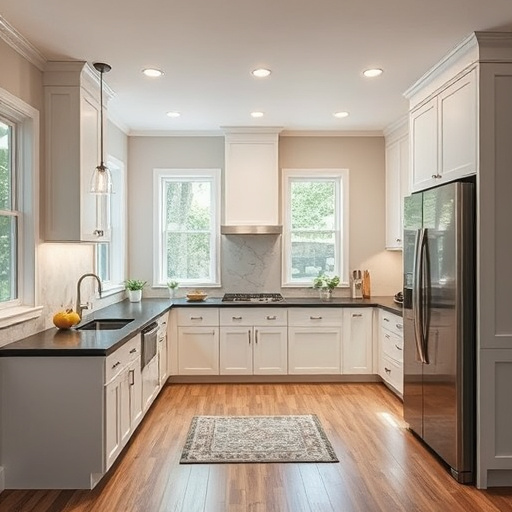
Maximizing value through strategic remodeling investments is an art as much as it is a science. One of the critical factors in this process is understanding and managing the remodeling cost per square foot. This metric plays a pivotal role in guiding homeowners and borrowers towards informed decisions, ensuring that every dollar spent on renovation yields maximum return. To put it simply, knowing your average remodeling cost per square foot allows you to prioritize projects that offer the best value.
Consider a kitchen remodel, for instance. According to recent industry data, the national average cost per square foot for a mid-range kitchen renovation ranges from $50 to $75. This figure can vary widely based on location, quality of materials, and scope of work. By keeping a close eye on this remodeling cost per square foot, homeowners can avoid overspending and ensure that their investments align with their budget and desired outcomes. For example, if a borrower requires a kitchen remodel to increase the property’s market value, they might choose to focus on key areas like cabinetry, countertops, and appliances, which typically have a significant impact on curb appeal and resale value.
Borrower requirements also play a crucial role in determining remodeling cost per square foot. Lenders often consider the expected return on investment when assessing home improvement projects. A borrower seeking a renovation loan should prepare to demonstrate how the proposed changes will enhance the property’s value, ensuring that the remodeling cost per square foot is justified and aligns with market trends. For instance, a borrower planning a bathroom remodel might highlight the increasing demand for luxurious en-suite bathrooms in their area, supporting their case for a 10% to 15% increase in property value post-renovation. This strategic approach not only secures loan approval but also ensures that remodeling efforts are tailored to market demands.